

How Eye Exams Support Healthy Development in Children
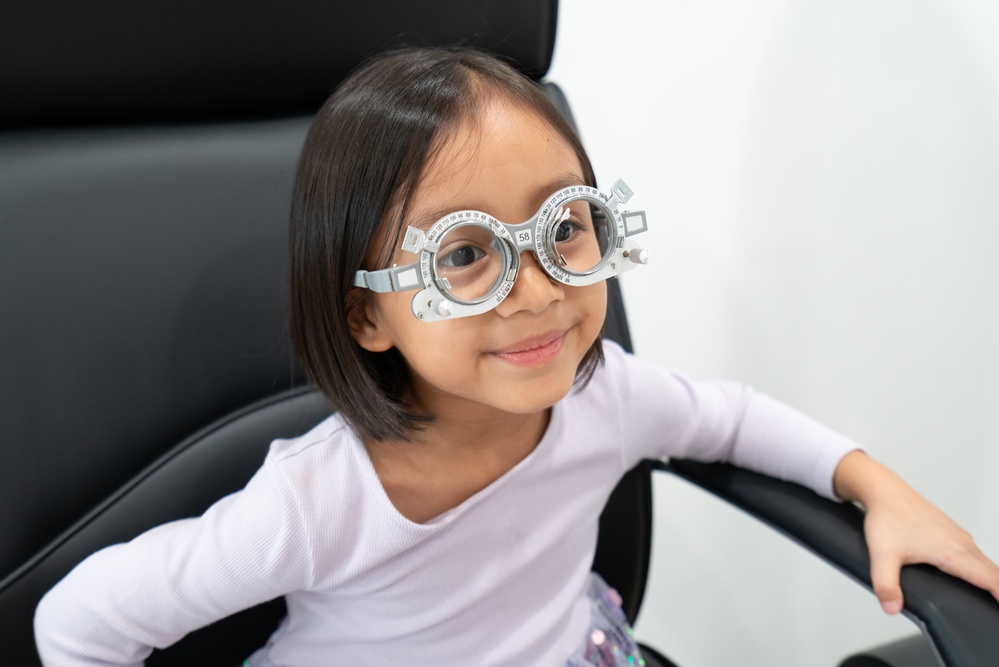
Children grow and change quickly. Their vision develops step by step, just as the rest of their bodies do. They often get used to changes without realizing anything is wrong, so vision problems can be hard to notice. They might not say anything or even know their sight is different from what’s normal.
That’s why regular eye exams are important. They do more than just check if a child needs glasses. Eye exams also track how a child’s vision changes and how their eyes work together as they grow.
Vision and Early Development
Vision plays a big role in learning and growing. Children use their eyes to read, write, play, and explore. When they see clearly, these activities are easier. If their vision is not clear, they might struggle without knowing why.
Eye exams can find vision problems early, before they affect learning or behavior. This is important because a child’s eyes and brain are still developing.
When Vision Problems Are Hard to Spot
Many vision problems in children lack clear signs. A child might think everyone sees the same way they do. They may sit close to screens, avoid reading, or lose focus, but these actions are not always seen as vision problems at first.
Without an eye exam, these subtle signs can go unnoticed. Regular checkups help find problems that children cannot describe and parents might not notice right away.
Supporting Learning and School Performance
Good vision helps with reading, writing, and learning in class. If a child has trouble seeing the board or focusing on a book, learning can get frustrating. This can lower their confidence and motivation over time.
Eye exams can find problems like trouble focusing, poor eye coordination, or blurry vision. Fixing these early helps children feel more comfortable and confident at school.
Eye Coordination and Visual Skills
Vision is not just about seeing clearly. It also depends on how well both eyes work together. Good eye coordination helps with depth perception, following moving things, and focusing on things up close.
If these skills do not develop well, children might get eye strain, headaches, or have trouble with reading and writing. Eye exams check these skills and show where help is needed.
Eye Health Beyond Vision
Eye exams also look at the overall health of a child’s eyes. Some problems do not affect vision right away but can still harm eye health over time. Finding these early means they can be watched and treated if needed.
Sometimes, eye exams can show signs of other health problems. This does not happen often, but it shows how eye care is part of overall health.
How Often Eye Exams Matter
Children’s visual status can change rapidly during growth. Regular eye examinations enable ongoing monitoring and adjustment of care to accommodate these developmental changes.
Even if a child sees well now, their vision can change later. Regular exams help make sure their vision keeps up with their growth.
Helping Children Feel Comfortable
Eye exams are gentle and made for children. Many children find them easier than they thought. A good first experience helps them feel comfortable with eye care as they get older.
When they know that eye exams help them see and feel better, they are more likely to take part and talk about vision problems in the future.
Good vision helps children grow and develop. Eye exams detect problems early, support learning, and monitor eye health as kids get older.
To learn more about how eye exams help children’s development, visit Crystal Clear Eye Care Center in Waco, Texas. Call (254) 399-9979 to schedule an appointment.
Quick Links
Helpful Articles
article_category: products
article_category: psychiatry
article_category: faqs
article_category: cats
article_category: general
article_category: services
article_category: technology
article_category: dogs
article_category: restorative
article_category: vision therapy
article_category: contact lenses
article_category: health
article_category: conditions
article_category: eye surgery co-management
article_category: exotic
article_category: cosmetic
article_category: surgical procedures
article_category: aesthetics
article_category: preventative
article_category: ocular disease management
article_category: eyeglasses
article_category: eye health
article_category: large animal
[]
article_category: psychiatry
article_category: faqs
article_category: cats
article_category: general
article_category: services
article_category: technology
article_category: dogs
article_category: restorative
article_category: vision therapy
article_category: contact lenses
article_category: health
article_category: conditions
article_category: eye surgery co-management
article_category: exotic
article_category: cosmetic
article_category: surgical procedures
article_category: aesthetics
article_category: preventative
article_category: ocular disease management
article_category: eyeglasses
article_category: eye health
article_category: large animal
[]
Flowbite is an open-source library of interactive components built on top of Tailwind CSS including buttons, dropdowns, modals, navbars, and more.
Check out this guide to learn how to get started and start developing websites even faster with components on top of Tailwind CSS.

Keep In Touch
For non-urgent questions or to learn more about our services, contact us today!

Contact Info
Hours
- Monday 8:00am - 5:00pm
- Tuesday 8:00am - 5:00pm
- Wednesday 8:00am - 5:00pm
- Thursday 8:00am - 5:00pm
- Friday 8:00am - 5:00pm
- Saturday Closed
- Sunday Closed
© 2026 Crystal Clear Eye Care. All rights Reserved - Accessibility Statement - Privacy Policy - Sitemap
Powered by 